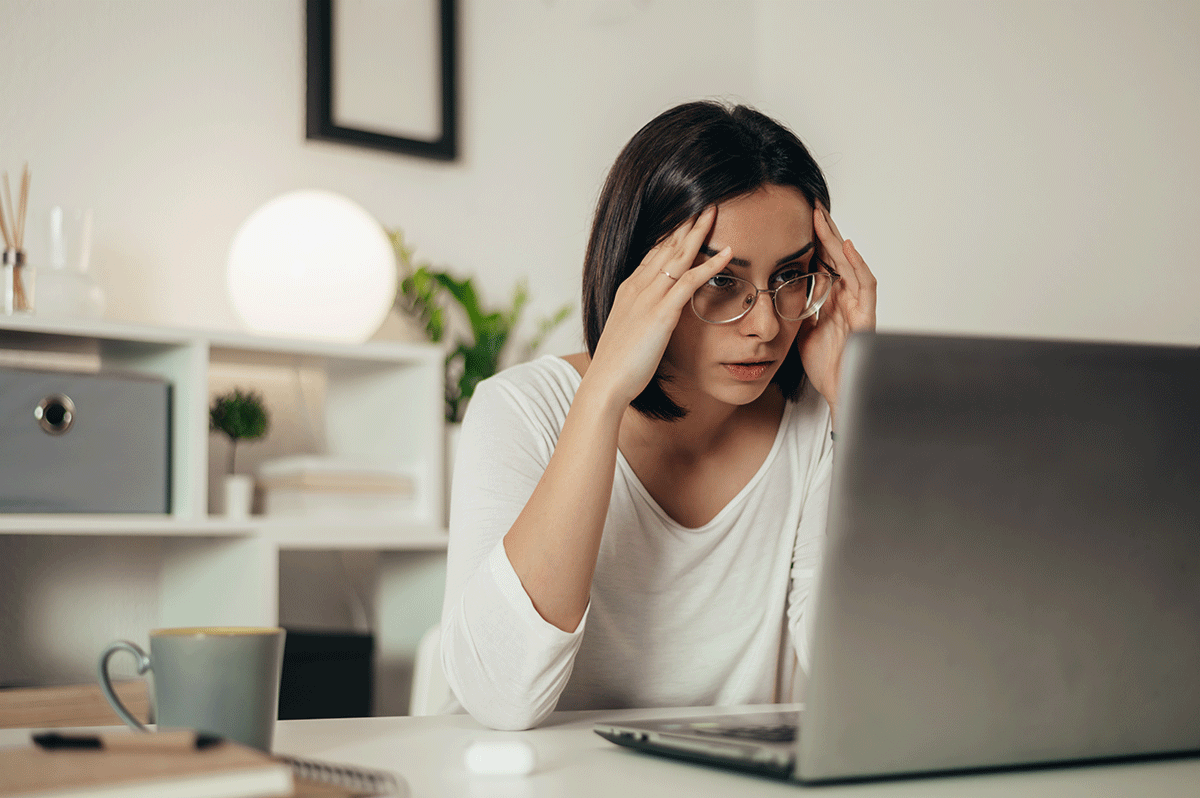
Stress has become a common part of modern life. Deadlines, financial pressure, personal responsibilities, and digital overload can all contribute to rising stress levels. While many people recognize the emotional effects of stress, fewer understand how deeply it can influence physical health and the body’s ability to recover. Over time, unmanaged stress can silently affect multiple systems within the body and create long term health challenges.
How Stress Affects the Body Internally
When the body experiences stress, it activates a natural response system often referred to as “fight or flight.” During this process, hormones such as cortisol and adrenaline are released to help the body react quickly. While this response is helpful during emergencies, constant stress keeps the body in a prolonged state of alertness.
This ongoing tension can increase blood pressure, tighten muscles, and raise heart rate levels. Over time, these reactions may contribute to fatigue, headaches, digestive discomfort, and weakened immunity. Many people fail to connect physical symptoms with stress because the effects often build gradually rather than appearing suddenly.
The modern lifestyle also encourages constant mental engagement. Continuous exposure to notifications, work pressure, and online activity leaves little room for genuine recovery. Interestingly, even people researching topics like how to start a business in Australia may experience high stress levels while managing new responsibilities and long term goals.
The Link Between Stress and Recovery
Recovery is one of the most overlooked aspects of physical wellness. Whether recovering from illness, injury, exercise, or surgery, the body requires rest and balance to heal effectively. Chronic stress interferes with this process in several ways.
High cortisol levels can slow tissue repair and reduce the quality of sleep, both of which are essential for recovery. Stress can also increase inflammation within the body, making it more difficult for muscles and organs to restore themselves properly.
Athletes and fitness enthusiasts often experience this challenge. They may train consistently but struggle to improve because stress prevents the body from fully recovering between sessions. Similarly, people recovering from medical conditions may notice slower progress if stress remains unmanaged.
This growing awareness of wellness has even influenced conversations across online platforms and publications such as insurance uploadarticle.com, where health and lifestyle discussions increasingly focus on the connection between mental strain and physical wellbeing.
Sleep Disruption and Physical Exhaustion
One of the clearest signs of stress is poor sleep quality. Stress can make it difficult to fall asleep, stay asleep, or achieve deep restorative rest. Without proper sleep, the body cannot repair damaged tissues, regulate hormones effectively, or maintain strong immune defenses.
Sleep deprivation also affects concentration, memory, and emotional stability. People who consistently sleep poorly may feel physically exhausted even after long hours in bed. This cycle often leads to increased caffeine intake, reduced physical activity, and unhealthy eating patterns, which can further increase stress levels.
The body depends on sleep to maintain balance. When stress interrupts this natural process, physical recovery slows down significantly. Many healthcare professionals now emphasize stress management as an essential part of overall health treatment plans.
Stress and Immune System Weakness
The immune system works continuously to protect the body from illness and infection. However, chronic stress can weaken immune responses over time. People under constant stress may notice they become sick more often or take longer to recover from common illnesses.
Research has shown that stress can reduce the body’s ability to fight inflammation and infection effectively. This can lead to recurring colds, digestive issues, skin conditions, and low energy levels.
As wellness conversations continue to expand online, directories and informational platforms such as australia business directory increasingly feature businesses and services focused on stress management, mental health support, fitness, and holistic recovery methods.
The Importance of Mental Recovery
Physical recovery is closely connected to mental recovery. Taking breaks, spending time outdoors, practicing mindfulness, and maintaining healthy social connections can all help reduce stress levels. Simple daily habits often make a major difference over time.
Activities such as walking, reading, stretching, meditation, and reducing screen time allow the nervous system to relax. Even small moments of calm can help the body shift away from constant stress responses.
Digital culture has also influenced how people discuss wellness and recovery. Communities contributing to platforms like write for us tech Australia often explore how technology can both improve and harm mental wellbeing depending on how it is used.
Community Awareness Around Stress
Public awareness about stress related health issues is steadily increasing. Schools, workplaces, and healthcare providers are beginning to recognize the importance of emotional wellness alongside physical care. Communities are encouraging healthier routines, work life balance, and mental health education more openly than before.
Local discussions about health and wellbeing are also becoming more visible through sources such as Adelaide community news, where topics related to stress management, fitness, and lifestyle improvement continue to gain attention.
Conclusion
Stress is far more than an emotional burden. It has a direct and lasting impact on physical health, recovery, sleep quality, immunity, and overall wellbeing. While occasional stress is a normal part of life, chronic stress can slowly weaken the body if left unmanaged. Understanding the hidden effects of stress is the first step toward healthier living. By prioritizing rest, balance, mental recovery, and healthy habits, people can support both their physical and emotional wellbeing more effectively. Small lifestyle adjustments today can create long term improvements in health, energy, and recovery for the future.

