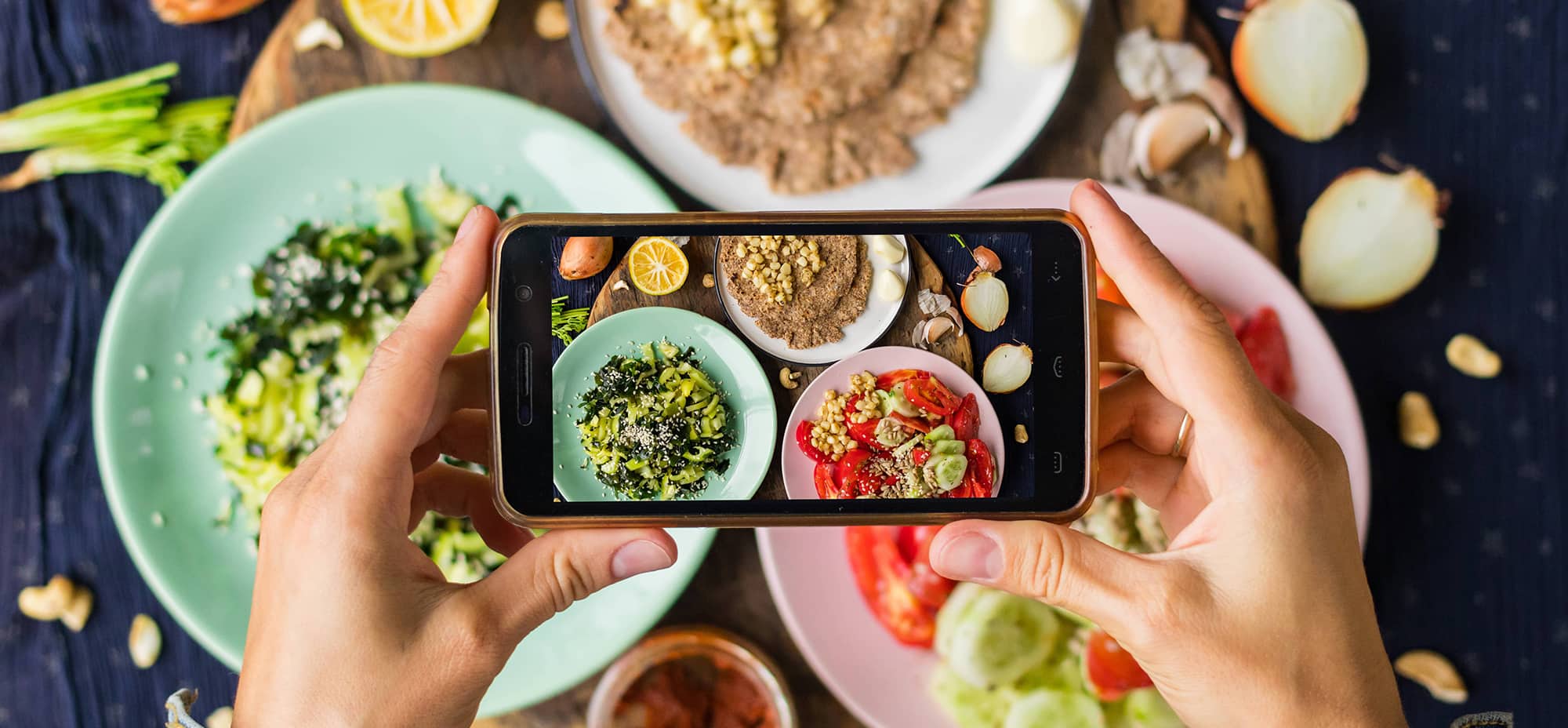
Meal planning has changed dramatically over the last few years. People are no longer focusing only on convenience or calorie counting. Modern consumers are paying closer attention to ingredient quality, balanced nutrition, sustainability, and long term wellness. As awareness around healthy eating grows, households are adapting their shopping habits and cooking routines to match evolving nutrition trends. The rise of digital health information, social media discussions, and wellness platforms has made nutrition knowledge more accessible than ever. Families, professionals, and fitness enthusiasts are all looking for smarter ways to create meals that support both health and lifestyle goals.
The Shift Toward Whole Foods
One of the biggest nutrition trends influencing meal planning is the growing preference for whole foods. Consumers are reducing their intake of heavily processed products and choosing meals built around fresh vegetables, fruits, lean proteins, whole grains, and natural ingredients.
This shift reflects a broader understanding of how nutrition impacts energy, digestion, immunity, and long term health. Meal planning now often includes colorful produce, homemade dishes, and nutrient dense snacks rather than packaged convenience foods.
Many people also appreciate the flexibility of whole food based meal plans because they can be adapted to different dietary preferences and family needs.
Personalized Nutrition Is Becoming More Popular
Another major trend reshaping everyday meals is personalized nutrition. Instead of following one universal diet trend, people are paying attention to their individual health goals, food sensitivities, and activity levels.
Some individuals focus on high protein meals for fitness support, while others prioritize plant based eating or low sugar options. Technology has played a major role in this movement, with apps and wearable devices helping consumers track nutritional intake more effectively.
The influence of business technology Australia can also be seen in the development of smart kitchen tools, health tracking systems, and digital grocery platforms that simplify meal organization and healthier decision making.
Convenience With Better Nutrition
Busy lifestyles still influence how people approach meal planning, but consumers now want convenience without sacrificing nutrition. This demand has led to the growth of healthier ready to cook ingredients, pre portioned meal kits, and quick preparation recipes.
People are increasingly looking for balanced meals that fit into packed schedules while still providing essential nutrients. Smoothie packs, overnight oats, protein bowls, and quick vegetable based recipes are becoming common choices for time conscious households.
Many online wellness communities and submit guest post magazine platforms also contribute to this trend by sharing practical meal planning ideas and healthy recipe inspiration for busy individuals.
Interest in Gut Health and Functional Foods
Gut health has become a major topic in nutrition conversations. Consumers are learning more about the connection between digestion, immunity, and overall wellbeing. As a result, foods that support gut health are becoming important parts of meal planning routines.
Fermented foods like yogurt, kimchi, kefir, and kombucha are gaining popularity alongside fiber rich ingredients that support digestive balance. Functional foods containing probiotics, vitamins, and antioxidants are also being added to everyday diets.
Health discussions featured in australia blog news outlets frequently highlight the growing importance of digestive wellness and mindful eating habits.
Sustainable Meal Planning Is Expanding
Sustainability is now influencing food choices in many households. Consumers are paying closer attention to food waste, packaging, local sourcing, and environmentally responsible products.
Meal planning helps reduce unnecessary grocery purchases and encourages better use of ingredients. Many people are preparing weekly menus, storing leftovers more efficiently, and selecting seasonal produce to minimize waste.
The support of local farmers, ethical food companies, and australian service providers within the food supply chain is also becoming an important factor in consumer purchasing decisions.
Social Media Influence on Eating Habits
Social media continues to shape how people discover recipes, cooking techniques, and nutrition trends. Platforms filled with short cooking videos, meal prep tutorials, and wellness advice are encouraging more people to experiment with healthier eating habits.
Trends such as protein rich breakfasts, balanced snack boards, and homemade wellness drinks often spread quickly online. While not every viral trend is backed by science, social media has increased public interest in nutrition awareness and meal creativity.
Writers contributing to a marketing blog guest post often discuss how digital influence now plays a major role in food marketing, consumer habits, and nutritional education.
Conclusion
Nutrition trends are continuing to reshape the way people plan and prepare meals every day. Consumers are becoming more informed about the relationship between food and overall wellbeing, leading to healthier and more intentional eating habits. From whole foods and plant based choices to personalized nutrition and sustainable meal planning, modern eating patterns reflect a growing focus on balance, convenience, and long term health. As awareness continues to expand, meal planning will likely remain an essential part of building healthier lifestyles for individuals and families alike.

