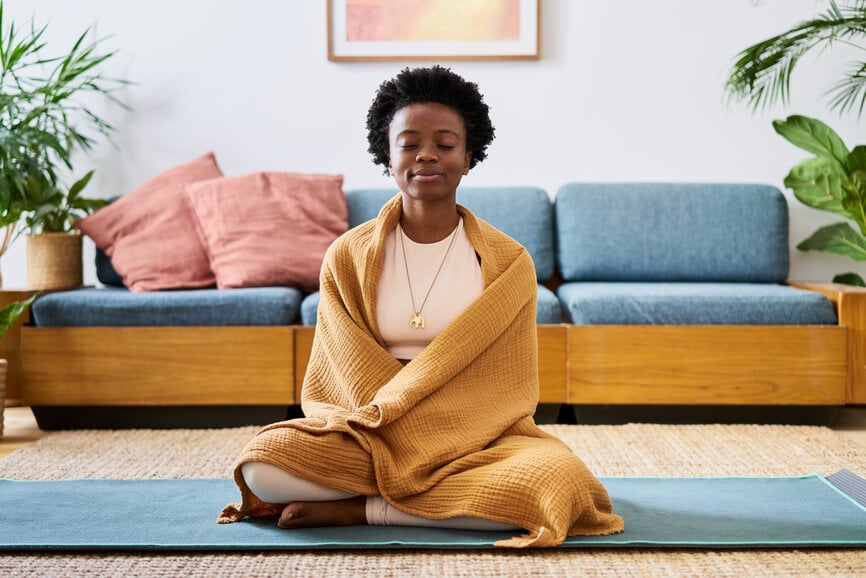
The way people think about health is changing rapidly. For many years, wellness was often associated only with treating illness or following strict fitness routines. Today, people are beginning to understand that overall well being involves far more than physical appearance or occasional doctor visits. Mental clarity, emotional balance, quality sleep, stress management, nutrition, and social connection are all becoming important parts of modern wellness conversations.
This growing awareness has led to a major shift toward holistic health and self care. Instead of focusing only on symptoms, many individuals now want to create healthier lifestyles that support the body and mind together. Reports discussing wellness trends in 2026 highlight how preventive care, mindfulness, sleep optimization, and personalized health practices are becoming central to daily life.
Wellness Is Becoming More Personalized
One of the biggest changes in holistic health is the move away from one size fits all solutions. People are becoming more aware that each individual has different physical, emotional, and mental needs. Personalized nutrition plans, stress management techniques, and customized fitness routines are now more common than ever.
Modern wellness approaches often combine traditional healthcare with mindfulness practices, balanced diets, and lifestyle adjustments. Many people are also using digital tools to better understand sleep quality, energy levels, and nutrition habits. Recent wellness reports show that personalized and preventive health strategies are expected to continue growing throughout 2026.
Conversations around these trends are frequently featured across digital platforms and publications connected to health news Australia viral, reflecting how wellness culture is influencing broader lifestyle discussions.
Mental Health Is Now Part of Everyday Self Care
In the past, self care was sometimes viewed as an occasional luxury. Today, it is increasingly recognized as a necessary part of maintaining long term health. People are beginning to understand that stress, burnout, and emotional exhaustion can affect physical health just as much as poor diet or lack of exercise.
Practices such as meditation, breathwork, journaling, therapy, and mindfulness are becoming more accepted in everyday routines. Wellness experts have also observed growing interest in nervous system regulation and emotional recovery practices. According to several 2026 wellness trend reports, many individuals are prioritizing emotional balance and mental resilience alongside physical fitness.
This broader perspective on well being has also influenced workplace culture, education, and even community discussions featured by publications like Melbourne journal.
The Rise of Preventive Wellness
Another important shift is the growing interest in prevention instead of reaction. Rather than waiting for health problems to appear, people are focusing on habits that support long term wellness. Better sleep, improved nutrition, hydration, movement, and stress reduction are becoming everyday priorities.
Research and wellness commentary in recent years suggest that people are now more interested in sustainable health practices rather than extreme trends or quick fixes. Holistic wellness is increasingly focused on balance and consistency instead of perfection.
This shift can also be seen in how communities discuss healthier lifestyles through local media and wellness focused platforms such as Sydney community stories.
Technology Is Influencing Self Care Habits
Technology is playing an important role in shaping modern wellness attitudes. Health tracking apps, wearable devices, online therapy services, meditation platforms, and virtual fitness programs have made self care more accessible for many people.
While some experts warn about excessive screen time, others believe technology can encourage healthier habits when used mindfully. Wellness reports in 2026 emphasize that many consumers are now using digital tools to monitor sleep patterns, nutrition goals, and emotional wellness.
Social media has also helped normalize conversations around mental health, emotional recovery, and self care routines. Stories about wellness transformations, healthier living, and balanced lifestyles frequently gain attention across online spaces connected to urban Aussie news.
Holistic Health Is Influencing Daily Living
The holistic wellness movement is no longer limited to gyms or health clinics. It is influencing home design, work environments, relationships, and even travel experiences. Many people are redesigning routines to support calmness, better sleep, and reduced stress.
Some wellness experts describe this as a shift toward “invisible wellness,” where healthier living becomes naturally integrated into everyday spaces and habits. Features like calming home environments, natural lighting, improved sleep routines, and mindful daily rituals are becoming more valued in modern lifestyles.
Businesses are also responding to these changes by creating products and services that focus on emotional comfort, relaxation, and sustainable wellness. Industry conversations connected to the best businesses in Australia 2026 increasingly reflect the growing demand for health focused consumer experiences.
Conclusion
Changing attitudes toward holistic health and self care show that people are redefining what wellness truly means. Instead of focusing only on appearance or short term goals, many individuals are now prioritizing emotional balance, preventive care, mental clarity, and sustainable daily habits. This evolving mindset reflects a broader understanding that true wellness involves caring for the whole person. As modern lifestyles continue to change, holistic health practices are likely to become even more integrated into everyday life, shaping healthier and more balanced communities in the years ahead.