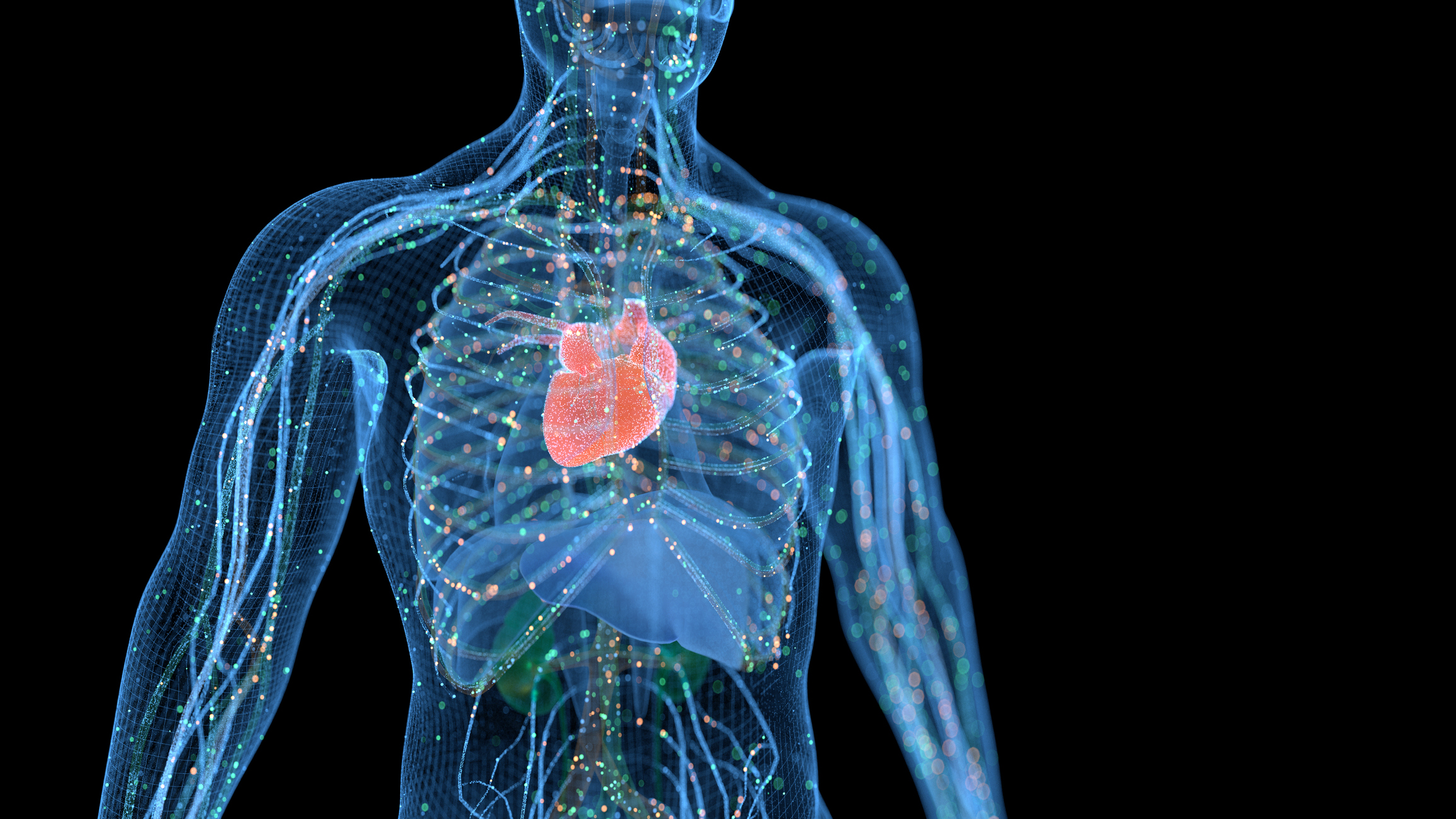
A strong immune system is your body’s natural defense against infections, viruses, and harmful microorganisms. It works silently in the background, identifying threats and responding quickly to keep you healthy. While many people search for quick fixes or miracle supplements, science shows that immunity is built through consistent lifestyle habits. Understanding how your immune system works can help you make smarter health choices that protect you in the long term.
How the Immune System Works
The immune system is a complex network of cells, tissues, and organs. It includes white blood cells, antibodies, the lymphatic system, the spleen, and the bone marrow. Together, these components detect foreign invaders and eliminate them.
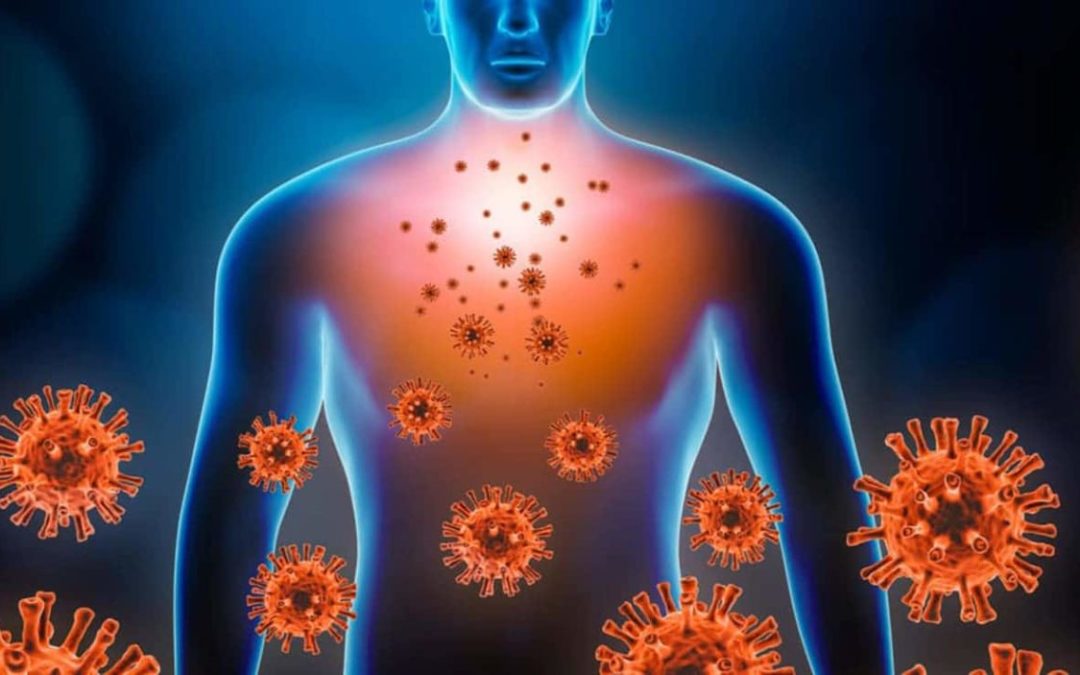
There are two main parts of immunity: innate immunity and adaptive immunity. Innate immunity acts as the first line of defense. It responds quickly but does not remember past infections. Adaptive immunity develops over time and creates a memory of specific pathogens, allowing your body to fight them more effectively in the future.
Just as readers analyze financial reports to determine someone’s current net worth, scientists analyze immune markers to assess how effectively the body can respond to threats. These markers include antibody levels, inflammation indicators, and white blood cell counts.
Nutrition and Immune Function
A balanced diet plays a central role in strengthening immune responses. Vitamins and minerals such as Vitamin C, Vitamin D, zinc, and iron are essential for immune cell production and function.
Protein is equally important because antibodies are made of protein. Without adequate intake, your immune system may struggle to repair and regenerate. Fruits, vegetables, whole grains, nuts, and lean proteins create a foundation for resilience.
Interestingly, the way clear information spreads across platforms like small business blogs australia reflects how nutrients circulate through the bloodstream to reach every cell. Just as businesses rely on consistent communication, your immune system relies on consistent nutritional support.
Hydration is also critical. Water helps transport nutrients and flush toxins from the body. Even mild dehydration can reduce efficiency in immune processes.
The Role of Sleep and Recovery
Sleep is not simply rest. It is a period when the body repairs tissues and regulates immune signaling molecules called cytokines. During deep sleep, your immune system produces protective proteins that fight inflammation and infection.
Chronic sleep deprivation reduces the production of these protective factors. Research consistently shows that people who sleep less than six hours per night are more susceptible to illness.
Think of sleep as a system update. In the same way a developer might optimize tools like ghidra linux for better performance, your body optimizes immune responses during restorative sleep cycles.
Physical Activity and Immune Strength
Moderate physical activity improves circulation, allowing immune cells to move efficiently throughout the body. Exercise reduces chronic inflammation and supports healthy immune surveillance.
However, intensity matters. Excessive high-intensity training without proper recovery can temporarily weaken immune defenses. The key is balance. Activities such as brisk walking, cycling, swimming, or strength training several times per week provide measurable benefits.
Movement also reduces stress hormones that suppress immune function. By staying active, you enhance both physical and mental resilience.
Managing Stress for Better Immunity
Chronic stress elevates cortisol levels, which can interfere with immune cell communication. Over time, this reduces your ability to respond effectively to infections.
Stress management techniques such as meditation, journaling, and deep breathing exercises lower cortisol and promote immune balance. Creative expression, whether writing a vip bio for personal branding or engaging in artistic hobbies, can also provide emotional release and mental clarity.
Limiting exposure to harmful habits is equally important. Just as downloading unsafe files like capcut.mod apk can compromise digital security, unhealthy coping mechanisms such as smoking or excessive alcohol consumption can compromise your biological defenses.
Gut Health and Immune Regulation
Nearly seventy percent of the immune system resides in the gut. The trillions of bacteria in your digestive tract influence inflammation, nutrient absorption, and immune signaling.
Probiotics and fiber-rich foods support beneficial gut bacteria. Fermented foods such as yogurt, kefir, and sauerkraut promote microbial diversity. A healthy gut environment strengthens your body’s ability to differentiate between harmful pathogens and harmless substances.
Building Immunity Is a Long-Term Commitment
There is no instant solution for a powerful immune system. Science consistently emphasizes the importance of consistency. Balanced nutrition, sufficient sleep, regular exercise, stress management, and gut health form the pillars of immune strength.
Rather than seeking shortcuts, focus on sustainable habits. Over time, these daily choices compound, creating a resilient system that protects you from illness and supports overall well-being. A strong immune system is not built overnight, but with informed action and discipline, it becomes one of your body’s greatest assets.